
We’ve been told that “Going Green” is a moral necessity and the only way to save the future. But for most people in 2026, “Green” has started to mean one thing: Expensive.
The Burning Problem: Why we are incinerating our wealth
The Financial Times (10 March 2026) highlighted a prime example of this “Old World” thinking: the expansion of the Cory Group’s energy-from-waste plant in London, UK. This £900mn facility in Belvedere is set to become the largest of its kind in Europe, burning 1.5 million tonnes of refuse annually.
The £500 Leak: Who is Really Profiting?
The average UK household now spends £1,641 a year on energy. But here is where the math stops making sense for the consumer:
-
The Investor Drain: Approximately 30% of every bill—around £500—still flows directly to foreign investors through dividends and interest.
-
The Network Tax: A further 26% pays for network charges, much of which flows to the international companies that control the majority of our grid infrastructure.
In a truly local energy system, 55% of every bill could circulate locally rather than leaving the UK economy entirely. Instead, we are being farmed for profit by a centralised system that is physically unable to handle the future.
The Scandal of the Gridlock
The greatest scandal of all is that while we are starved of energy, the grid is in total gridlock. Imagine a co-operative housing development that is ready to build today but is told the grid connection queue runs to 2031. That is five years of delay, temporary accommodation costs, and missed growth simply because the “pipes” are blocked.
And here is Minister Shanks today – doubling down with smug certainty/
The Solution: Local Autonomy and the Urban Mine
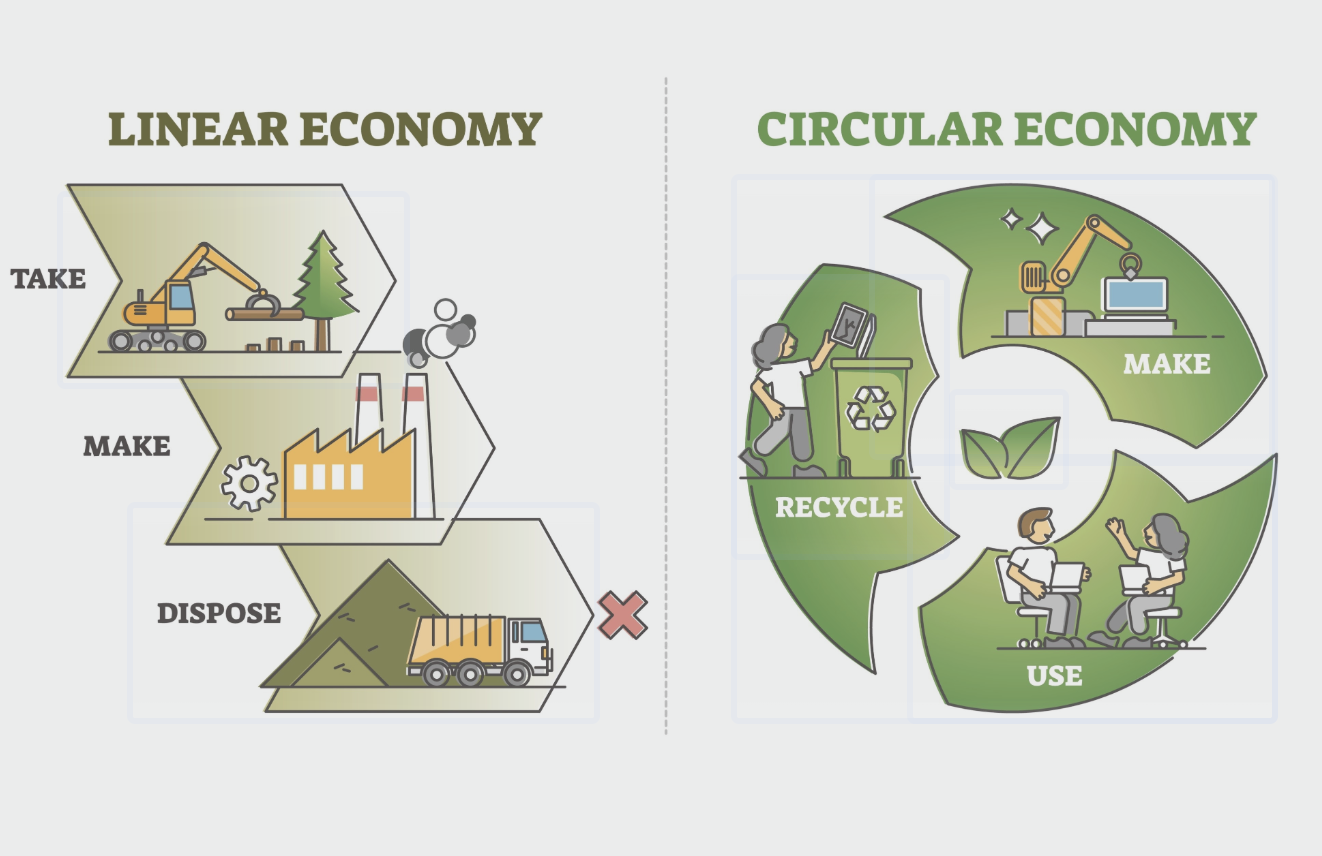
The cure for Greenflation isn’t building more £900mn furnaces. It is a radical shift toward Local Autonomy and a Circular Economy.
-
The 55% Discount: Technology now allows local communities, in principle, to supply their own power at 45% of what people are paying now.
-
Island Mode: We need microgrids that can “island” themselves—staying on when the national grid fails—providing literal survival and prosperity for towns that are currently at the mercy of patchy infrastructure.
-
Forcing the Circle: We must stop the “toxic leakage” of our resources. We need to make it economically essential to repair and recover materials rather than burn them. There is more gold in a ton of discarded mobile phones than in a ton of gold ore from a mine.
The Bottom Line
Greenflation is a choice. It is the result of choosing incineration over innovation, and foreign shareholders over local families. As the FT reports, companies like Viridor argue incineration is better than landfill, but that is a low bar to clear.