
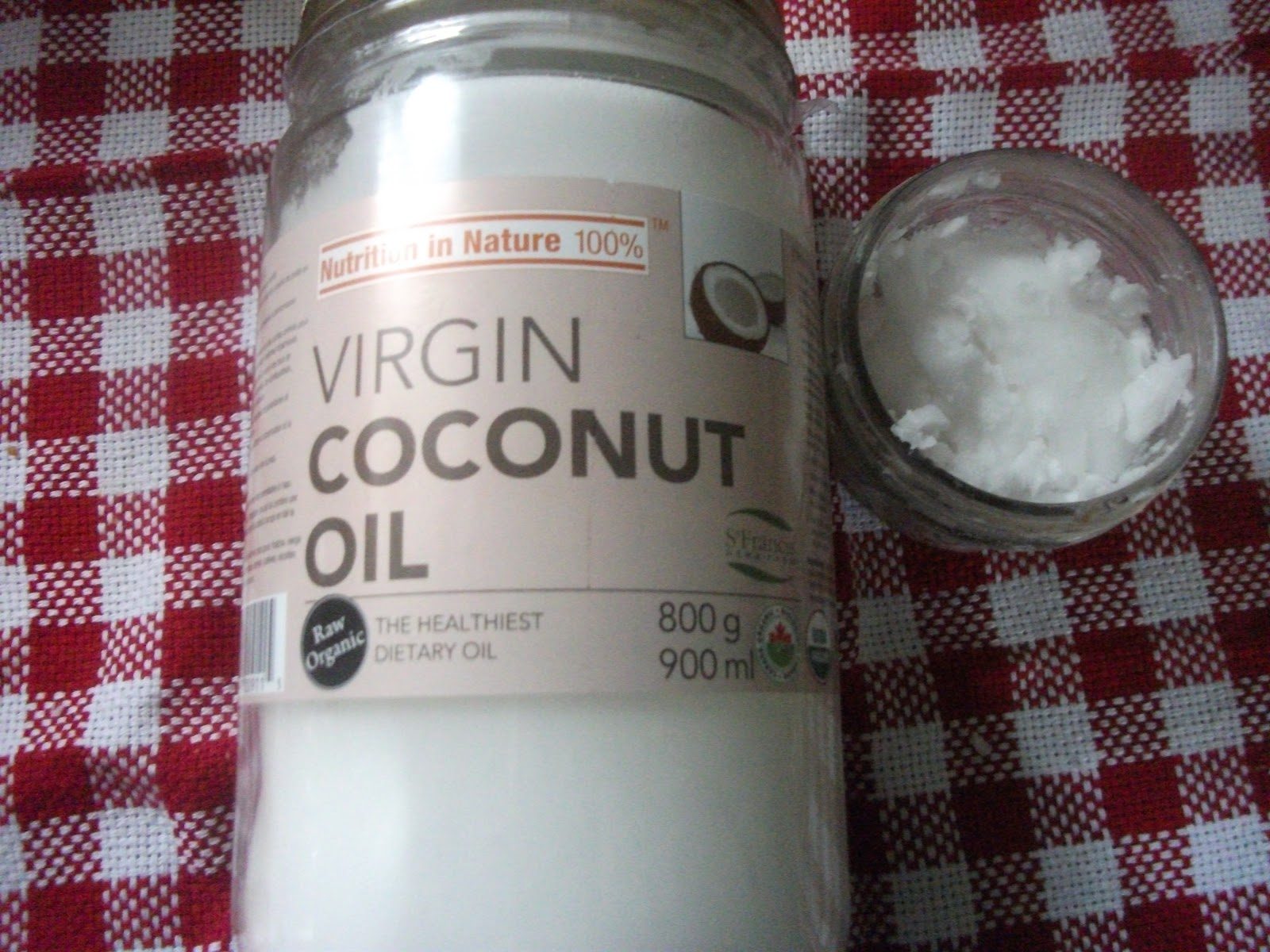
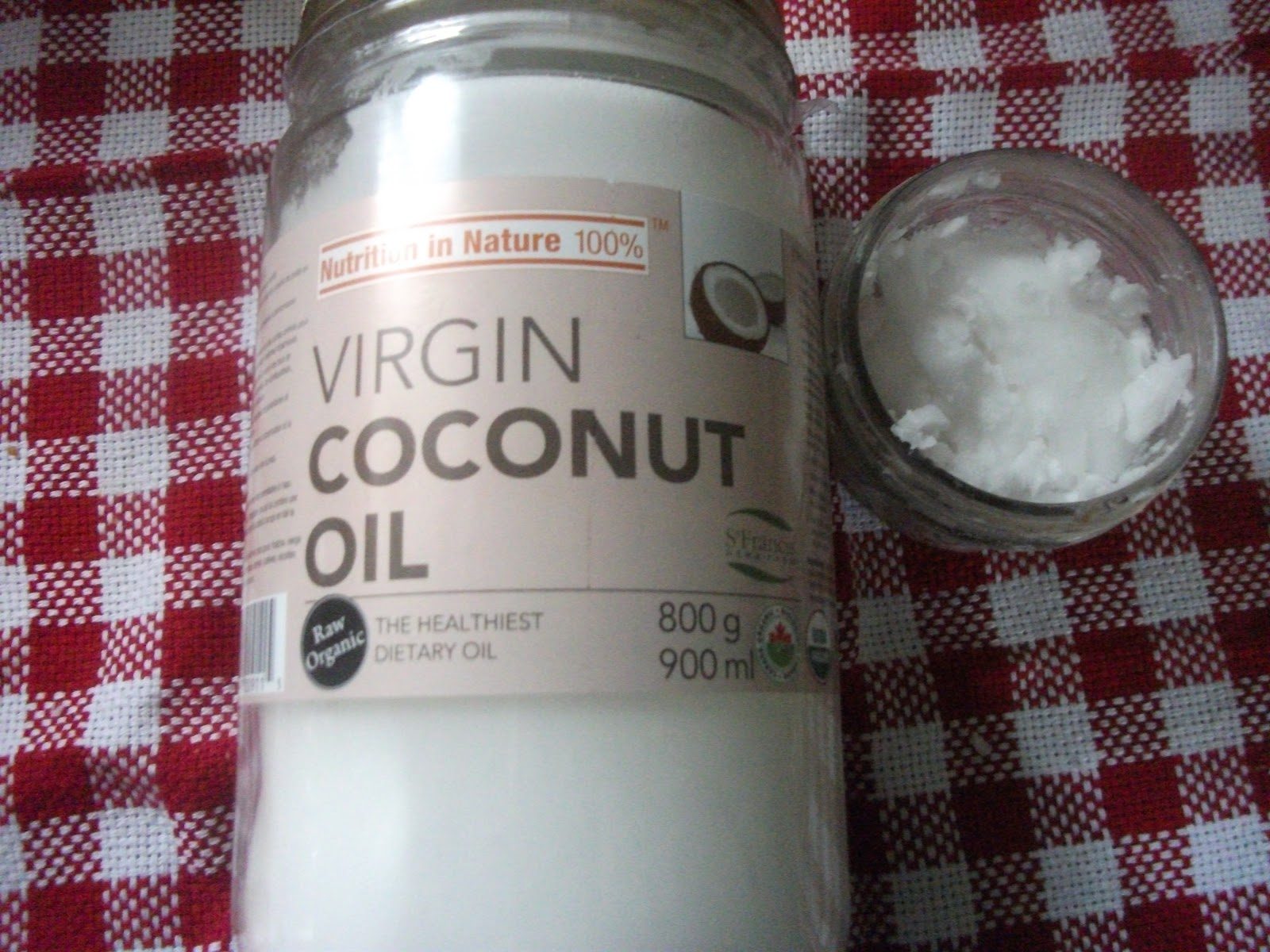
One of my favorite pantry items is my big jar of organic virgin coconut oil, and the crazy thing is, I don’t even like coconuts. If you slip me a cookie that has those nasty little flakes of coconut in them, I’ll probably spit it out – I really, emphatically don’t like coconut! I am stressing this point because coconut oil has a place in the kitchen of even the most die-hard coconut hater (like me!).
Sometimes people who are seeking a healthier lifestyle make the mistake of avoiding all fats. Sure, eating a bag of Doritoes covered in cheese is terrible for you (in more ways than just the fat content!) – but certain fats can be a healthy, and very necessary, part of your diet. In fact, these “healthy fats” can actually aid in weight loss, if that is your goal. Some examples of these healthy fats would be those from nuts, avocados, seeds, certain fish, and coconut oil. Consumption of these fats will improve your hair, your skin, your immune system, and your organ function when consumed in moderate quantities. As well, certain nutrients are fat soluble and can only be properly used by your body in the presence of fat. For example, Vitamins A, D, E, and K should be taken when you eat a small amount of fat.
Refined or Unrefined?
RBD: The RBD (refining bleaching deodorizing) process often uses chemical solvents like hexane to extract the oil. (Hexane is a toxic chemical that can be used to dissolve adhesive, cement and glue.) This process is generally performed on previously dried coconut kernel called copra, which is often made from lower quality or old coconuts.
Health Benefits
-
Kills viruses that cause influenza, herpes, measles, hepatitis C, SARS, AIDS, and other illnesses.
-
Kills bacteria that cause ulcers, throat infections, urinary tract infections, gum disease and cavities, pneumonia, and gonorrhea, and other diseases.
-
Kills fungi and yeasts that cause candidiasis, ringworm, athlete’s foot, thrush, diaper rash, and other infections.
-
Expels or kills tapeworms, lice, giardia, and other parasites.
-
Provides a nutritional source of quick energy.
-
Boosts energy and endurance, enhancing physical and athletic performance.
-
Improves digestion and absorption of other nutrients including vitamins, minerals, and amino acids.
-
Improves insulin secretion and utilization of blood glucose.
-
Relieves stress on pancreas and enzyme systems of the body.
-
Reduces symptoms associated with pancreatitis.
-
Helps relieve symptoms and reduce health risks associated with diabetes.
-
Reduces problems associated with malabsorption syndrome and cystic fibrosis.
-
Improves calcium and magnesium absorption and supports the development of strong bones and teeth.
-
Helps protect against osteoporosis.
-
Helps relieve symptoms associated with gallbladder disease.
-
Relieves symptoms associated with Crohn’s disease, ulcerative colitis, and stomach ulcers.
-
Improves digestion and bowel function.
-
Relieves pain and irritation caused by hemorrhoids.
-
Reduces inflammation.
-
Supports tissue healing and repair.
-
Supports and aids immune system function.
-
Helps protect the body from breast, colon, and other cancers.
-
Is heart healthy; improves cholesterol ratio reducing risk of heart disease.
-
Protects arteries from injury that causes atherosclerosis and thus protects against heart disease.
-
Helps prevent periodontal disease and tooth decay.
-
Functions as a protective antioxidant.
-
Helps to protect the body from harmful free radicals that promote premature aging and degenerative disease.
-
Does not deplete the body’s antioxidant reserves like other oils do.
-
Improves utilization of essential fatty acids and protects them from oxidation.
-
Helps relieve symptoms associated with chronic fatigue syndrome.
-
Relieves symptoms associated with benign prostatic hyperplasia (prostate enlargement).
-
Reduces epileptic seizures.
-
Helps protect against kidney disease and bladder infections.
-
Dissolves kidney stones.
-
Helps prevent liver disease.
-
Is lower in calories than all other fats.
-
Supports thyroid function.
-
Promotes loss of excess weight by increasing metabolic rate.
-
Is utilized by the body to produce energy in preference to being stored as body fat like other dietary fats.
-
Helps prevent obesity and overweight problems.
-
Applied topically helps to form a chemical barrier on the skin to ward of infection.
-
Reduces symptoms associated the psoriasis, eczema, and dermatitis.
-
Supports the natural chemical balance of the skin.
-
Softens skin and helps relieve dryness and flaking.
-
Prevents wrinkles, sagging skin, and age spots.
-
Promotes healthy looking hair and complexion.
-
Provides protection from damaging effects of ultraviolet radiation from the sun.
-
Helps control dandruff.
-
Does not form harmful by-products when heated to normal cooking temperature like other vegetable oils do.
-
Has no harmful or discomforting side effects.
-
Is completely non-toxic to humans.
Storage and Shelf Life
Coconut oil has a melting point of 76F/24C. If it is stored above that temperature it will be a liquid, and below it will be a solid. It doesn’t harm the coconut oil to be in the liquid state – keep in mind that coconuts originate from a tropical climate. The shelf life will be extended if the product is stored in a cool, dark place, however, if you store it in the refrigerator it will be rock hard. You can soften it by placing the closed jar in a pan of hot water.
How to use Coconut Oil in the Kitchen
Coconut oil can serve many purposes in the kitchen. If you use virgin coconut oil it will impart a very light coconut flavor to your cooking, but it isn’t really comparable to the flavor you get from adding flaked coconut. I suggest you get a small jar to test it out before investing in quantity, because there’s nothing worse than making a large investment in something that you find distasteful.
- Butter (use 25% less coconut oil than the amount of butter called for)
- Shortening
- Vegetable oil for cooking
- Vegetable oil for salad dressings
- Lard
You can also make popcorn in coconut oil over popcorn for a lightly flavored sweet treat.
Cosmetic and External Uses
- Facial moisturizer
- Moisturizing body wash
- Body lotion
- Treating minor burns
- Treating skin rashes
- Treating insect bites
- Deep conditioner for hair
- Cuticle treatment
- Make-up remover
- Lip balm
- Aftershave
- Deodorant (because of the antimicrobial qualities)
- Toothpaste (mix with baking soda)
- Sunscreen
- Nipple cream for breast-feeding women (and non-toxic to baby, unlike the commercial products)
- Diaper rash
- Cradle cap
- Eczema
- Psoriasis
- Rosacea
- Personal lubricant (do not use with latex condoms)
- Insect repellent (mix with lavender or peppermint essential oil)
- Athlete’s foot
- Acne
- Treating minor cuts and abrasions
Once you try this multi-tasking superstar, you’ll wonder how you got by so long without it!